Monstera care: how to grow a healthy Swiss cheese plant
Short answer
Give monstera bright light: in low light, new leaves don’t develop their holes and splits. Water thoroughly and let the mix dry slightly between waterings, and keep it warm with medium to high humidity. Feed it from spring to fall, give it a sturdy moss-covered support to climb, and keep it away from pets and children: every part except the ripe fruit is poisonous.[1, 2]
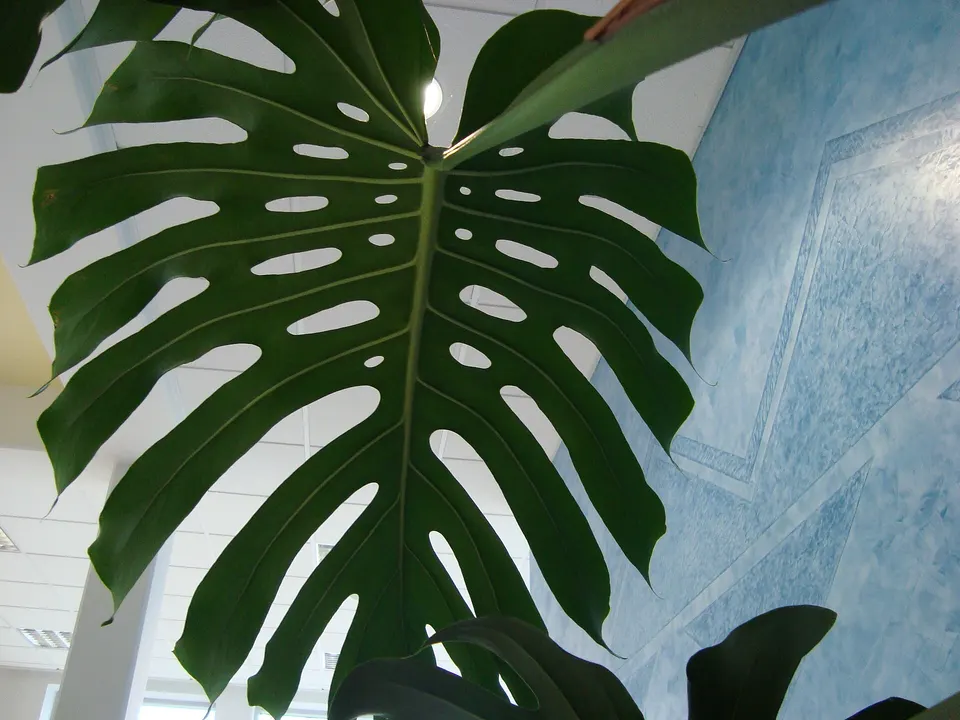
Monstera care at a glance
| Light | Bright light; leaves won’t split in low light |
|---|---|
| Watering | Water thoroughly, then let it dry slightly |
| Soil and pots | Fertile soilless mix with room for roots |
| Humidity | Medium to high |
| Temperature | Warm room temperatures; no growth below 50 °F |
| Feeding | Regularly, spring to fall |
| Repotting | Often, as the roots fill the pot |
| Support and size | A vigorous climber: give it a sturdy pole |
| Propagation | Stem cuttings or air layering |
| Pets | Yes: toxic to cats, dogs and people if eaten |
Light
- It does best in bright light in summer, and can take direct sun in winter. [1]
- In too little light, new leaves don’t develop their holes and splits. [1, 3]
- It can also be grown under fluorescent light. [1]
- If you move it outdoors, do it gradually, or the leaves will sunburn. [1]
Watering
- Water thoroughly, then let the mix dry slightly before watering again. [1]
- Water less in winter. Plants kept on the dry side grow more slowly. [1]
- If the leaves “sweat” droplets, the mix is too wet: water less to prevent root rot. [1]
Soil and pots
- Use a fertile, soilless potting mix with plenty of root room; that encourages larger leaves. [1]
Humidity
- It prefers medium to high humidity. [1]
- Leaf edges turn brown when the air is too dry. [1]
Temperature
- It prefers warm room temperatures. [1]
- It stops growing below 50 °F, and frost kills it. [1]
Feeding
- Feed it regularly from spring until fall. [1]
Repotting
- Potted plants need frequent repotting to make room for the root system. [1]
Support and size
- In the wild it climbs trees with its aerial roots and can grow 70 feet or more. [1]
- Indoors it can grow vigorously and needs support to keep the stems from breaking: a strong moss-covered pole or slab of tree bark set into the pot works well. [1]
- Leaves can reach 18 inches across on foot-long stalks. [1]
Propagation
- Take a stem cutting from a mature plant, cutting just below an aerial root, and pot it up. [1]
- You can also air-layer it, at any time of year. [1]
- Seeds are slow to develop. [1]
Is monstera toxic to pets?
- All parts contain calcium oxalate crystals. [2, 3]
- In cats and dogs, chewing it causes intense burning and irritation of the mouth, tongue and lips, drooling, vomiting and difficulty swallowing. [2]
- It is toxic to children too. Only the fully ripe fruit is edible; unripe fruit causes immediate, painful throat irritation. [1, 3]
- Keep it out of reach of pets and children. [3]
Compare with other plants in our pet-safe houseplant checker.
Monstera varieties
| Variety | What it looks like |
|---|---|
| 'Variegata' and 'Albovariegata' | Leaves marked with white or cream, and usually somewhat smaller. [1] |
| Monstera obliqua | A related species with much smaller leaves. [1] |
Common monstera problems
| What you see | Usual cause |
|---|---|
| New leaves without holes or splits | Too little light. [1, 3] |
| Brown leaf edges | Air too dry. [1] |
| Droplets on the leaves (“sweating”) | Mix too wet. Water less to prevent root rot. [1] |
| Sunburned leaves | Moved into strong outdoor light too quickly. [1] |
| Pests | Few indoors, but aphids, mealybugs, scale and spider mites can appear. [1] |
Not sure what's wrong? Use the plant doctor to match what you see to a cause.
Questions people ask
Why doesn’t my monstera have holes in its leaves?
It isn’t getting enough light. Leaves only develop their holes and splits in bright light. [1, 3]
Is monstera toxic to cats and dogs?
Yes. Its calcium oxalate crystals cause intense mouth irritation, drooling, vomiting and trouble swallowing in cats and dogs. [2]
Does monstera need a moss pole?
Yes, or another sturdy support. It’s a vigorous climber that needs support to keep its stems from breaking; a strong moss-covered pole works well. [1]
How do I propagate monstera?
Cut a stem from a mature plant just below an aerial root and pot it up, or air-layer it. Both work at any time of year. [1]
Can you eat monstera fruit?
Only when fully ripe; it ripens from the bottom up. Every other part of the plant, including unripe fruit, is poisonous and irritates the mouth and throat. [1]
Sources
Facts on this page were checked against these sources on November 6, 2026. The wording is our own.
- Swiss-Cheese Plant, Monstera deliciosa. University of Wisconsin–Madison Division of Extension, Wisconsin Horticulture. Revised Oct 2026.
- Toxic and Non-Toxic Plants: Mexican Breadfruit (Monstera deliciosa). ASPCA Animal Poison Control Center.
- Philodendron (HGIC 1509). Clemson Cooperative Extension, Home & Garden Information Center. Revised Jan 15, 2016.
Spotted a mistake? Report an error and we'll check it against the sources and update the page.